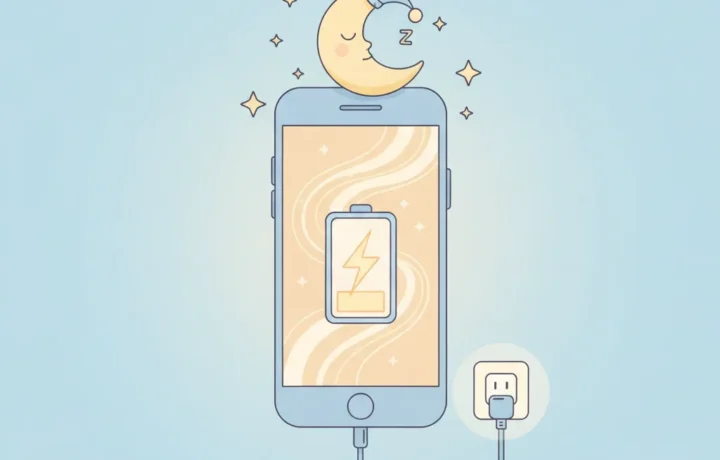
The idea that charging your phone overnight damages the battery is considered partly a myth. Newer devices and chargers have features to manage charging, reducing the risk of overcharging. Even so, there are details about how batteries work that influence their lifespan, even with these protections.
How the belief about harm from overnight charging arose
In the past, the batteries used in phones were different from today's. Many older devices used nickel-based technology, which was more sensitive to charge and discharge cycles. Back then, leaving the phone plugged in for extra hours could really be harmful to the battery.
With the popularization of smartphones, batteries became lithium-ion. Although more resistant, some people kept the habit of worrying about time spent plugged into the outlet. Many people also associate device malfunctions with bad charging practices.
Fear can also come from situations in which an older device overheated or had problems from staying connected for a long time. These stories end up circulating and consolidating this belief in popular imagination.
What happens when the phone stays connected for hours
In modern devices, upon reaching 100% charge, the system automatically cuts the flow of energy to the battery. The charger then only supplies power to run the device, while the battery stays in a "maintenance" mode to avoid continuous wear.
From time to time, if the charge drops slightly below 100%, the system performs quick top-ups of small amounts, in a cycle called "trickle charging". This prevents rapid discharges from small natural losses.
This operation protects the battery against overcharging, but it does not prevent other factors, including heat and frequent charging cycles, from wearing down the component over the years.
How phones control charging today
- The charger detects when the device is connected to power.
- The device's software constantly monitors the battery level.
- When full charge is reached, the system cuts direct supply to the battery and keeps the device running on outlet power.
- Small top-ups are made automatically to keep the level at 100%.
- If there is an unusual rise in temperature, many devices slow down or pause charging.
Beyond these steps, most phone models warn when there are temperature problems or suggest unplugging if there are risks, preventing more serious incidents.
Smart settings available on some smartphones even allow scheduling charging, prioritizing battery health. This further reduces any concern about charging overnight.
What really affects battery lifespan
The main cause of battery wear is the number of complete charge and discharge cycles. Every time the battery goes from 0% to 100% counts as one cycle, but small partial recharges also add to the total estimated wear over time.
Excessive heat, whether from the phone itself or from the environment, is one of the main enemies of battery lifespan. Hot environments accelerate chemical reactions that reduce charging capacity over time.
Using low-quality or incompatible chargers can be more harmful than charging overnight. It is always important to use certified accessories, even if charging takes many hours in a row.
Why the idea stuck even with modern devices
Overheating situations, household accidents or problems with older devices helped fix the fear around overnight charging. The fact that each person knows some case makes the story seem real, even though the original reasons have changed.
Another reason this myth persists is that batteries really do lose capacity over time, regardless of when they are charged. This leads many people to associate wear with time spent plugged in.
Advances in charging technology are not always publicized, so many keep following old tips without knowing how recent devices work.
Limits of current knowledge and hypotheses
Science understands lithium-ion batteries well, but not all degradation factors are completely predictable. There are studies on how to optimize charging to extend lifespan, with smarter algorithms in some devices.
There are hypotheses that keeping the phone at 100% for long periods may, in the long run, contribute to wear. However, current protections tend to minimize this effect, something still under detailed analysis by experts.
In the end, experts agree that if you use a suitable charger and keep your device in normal conditions, charging the phone at night has little practical impact on the user's daily life.
Frequently asked questions
Could leaving the phone charging every night cause a fire?
The risk of fire is extremely low with certified phones and chargers in good condition. Problems of this kind usually occur with counterfeit chargers, serious electrical faults or physical damage to the device.
What does smart charging mean in modern phones?
Smart charging is a feature in which the system adjusts the speed and timing of charging according to the user's habits. This reduces stress on the battery, increasing its lifespan and avoiding unnecessary wear.
Can I use my phone normally while it charges overnight?
Using the phone while it charges is safe, as long as it does not cause overheating. Some apps demand more power, which can raise the device's temperature. If it gets too hot, it is recommended to let the device rest.
Is there any special recommendation to extend battery life?
Avoiding excessive heat, always using accessories from a reliable source and not letting the battery run down completely are precautions that help. Manufacturers' programs and automatic systems already do much of the work today.
Charging your phone overnight: what it really means
In most cases, charging the phone overnight does not cause battery problems in modern devices. The device's own system stops charging when necessary, making the process much safer than people think.
The most important thing is always to use trustworthy accessories and keep the device away from heat. That way, the habit of leaving the phone charging while you sleep becomes a worry-free part of everyone's tech routine.