Curiosity 4 of 10
4. About half of the oxygen comes from the ocean
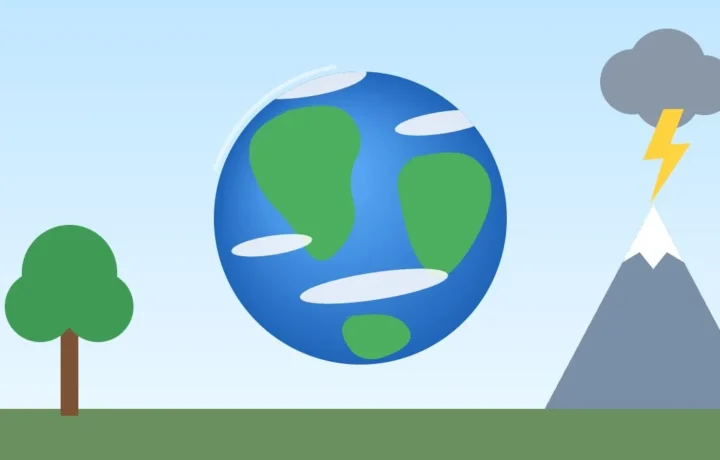
Forests are important, but a large share of Earth's oxygen is produced in the sea. Scientists estimate that about half of the planet's oxygen comes from marine organisms, most of them microscopic.
The invisible plants of the sea
This work is done by phytoplankton: microscopic algae and bacteria that live near the surface of the sea and carry out photosynthesis, like plants. They use sunlight to turn carbon dioxide and water into food, and release oxygen.
One of the most important is a bacterium called Prochlorococcus, less than a thousandth of a millimeter in size. According to NOAA, the American oceans agency, it alone can produce up to 20% of the oxygen in the biosphere.
Much of the oxygen produced in the sea is consumed right there by marine animals and microbes. Even so, over the planet's history, phytoplankton was one of the main reasons the atmosphere filled with oxygen.
It also absorbs a lot of carbon dioxide, which is why scientists closely monitor the warming and acidity of the oceans. Changes in phytoplankton affect the entire food chain, since it is the base of the diet of many marine animals.
There was not always oxygen in the air. The young Earth's atmosphere had almost none of this gas, and it was sea microbes, the cyanobacteria, that began releasing it in large quantities about 2.4 billion years ago, in what scientists call the Great Oxidation Event.
Did you know? Whales help phytoplankton. Their feces, rich in iron and nitrogen, act as fertilizer on the sea surface, where the microscopic algae grow.